M.J. Hastings
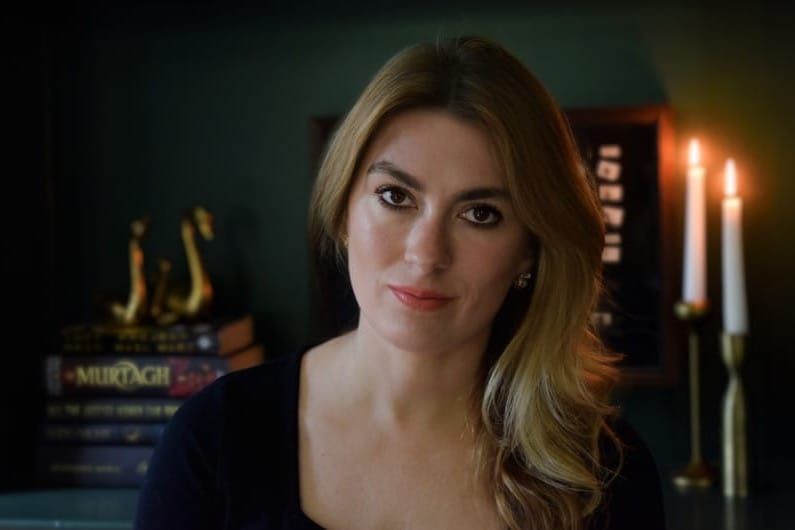
Novelist, attorney | mjhastings.com
What is something you only learned about storytelling after publishing your first book?
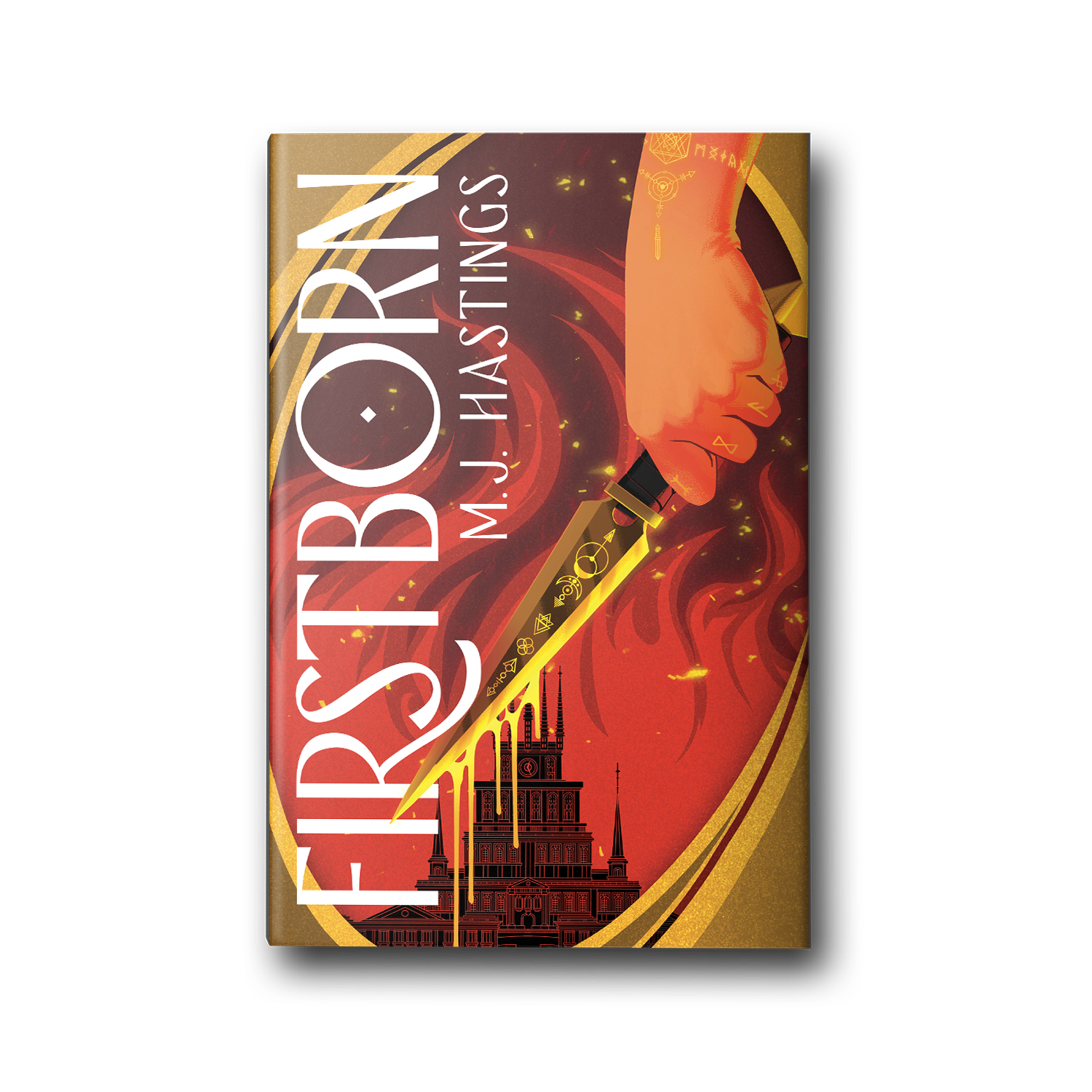
Just how hard it is to release your book baby into the world! As a debut author, this is my "firstborn" book, and it's surreal to have people read it, comment on it, debate it, love it (hurrah!), or…not love it (wah-wah). Releasing any sort of art into the world means it no longer wholly belongs to you. It feels like watching a baby bird leave the nest—you want your baby to soar! You want everyone to love it! You want to snap at anyone who ruffles its feathers! Publishing has taught me that storytelling doesn't end when you type "The End." It's also about relinquishing control and letting readers bring their own perspectives to your work. I'm still working on that.
Was there a moment while writing Firstborn when the story surprised you or took a direction you did not expect?
Everything Poe-related was completely unexpected! I originally plotted him as a side character whose main job was to inject a little levity into the story, but he quickly demanded a much bigger role. Poe began as a droll, fastidious bad boy who was a nod to my favorite literary redheads, but he soon revealed surprising emotional depth. He says all the brash things I wish I could say, and somehow gets away with it. In real life, I imagine him as a shameless TSwift fan, with a large closet full of well-tailored smoking jackets—black, of course. Painfully expensive. A rolodex of situationships. I really hope he stops smoking.
What is one part of your writing process that would surprise most readers?
I’m a nonlinear writer! I write out of order and then piece everything together. I start by writing the three or four scenes that inspired me to begin the book in the first place. If those scenes feel alive on the page, I outline the story and build everything around them.
I find that starting with the “meat” of the book helps keep the story propulsive and takes some of the pressure off. Anyone who’s stared at a blinking cursor trying to find the perfect opening line knows what I mean! If you’re feeling stuck, remember you don’t have to start at the beginning; in fact, you may discover your story’s voice more easily if you start somewhere else.
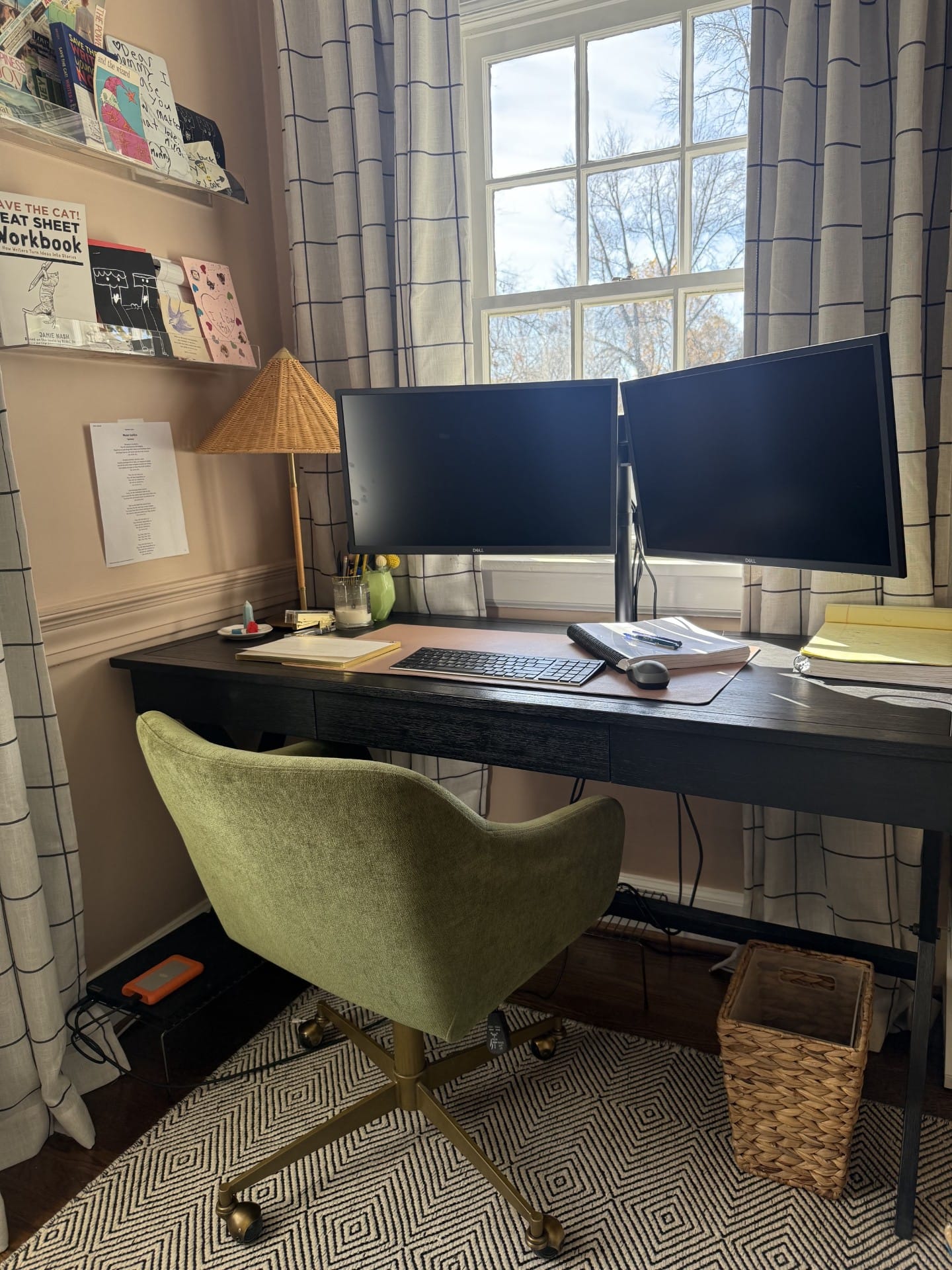
Could you give readers a glimpse into your writing space? If you’re comfortable sharing, we would love to see a photo of your desk or workspace. Is there an object, tool, or ritual that has become an essential part of your writing life?
I write in a spare bedroom, which my youngest daughter is slowly but surely claiming as her own. At any given moment, my desk is littered with craft books, stuffies, or half-scribbled notes on the backs of receipts. I’m not at all precious about how I write. There's nothing glamorous about my setup, and I don't have any lucky talismans or elaborate rituals, except for one: discipline. I write every day, even if it's just a few lines I dictate into my phone while I'm on the go. Inspiration is wonderful when it shows up, but discipline is what gets books written.
What is the most memorable book you’ve read recently, and what made it stay with you?
I read Alchemised by SenLin Yu a few months ago, and wow, did it leave an impression. (Content note—this book is rated for adults). Her writing is lyrical, dark, and visceral, and her use of body horror is chilling. There were moments when I had to put the book aside. In fact, I put off finishing it for a while because I was afraid it would break my heart. It did, but in the best possible way. Then I picked it right back up and began my reread.